
By Yusuf Bukar Biriri
The Federal Government, in collaboration with UNICEF, has intensified efforts to promote ethical journalism on child rights, bringing together media professionals from the Northeast and Northcentral zones for a capacity-building workshop in Gombe State.
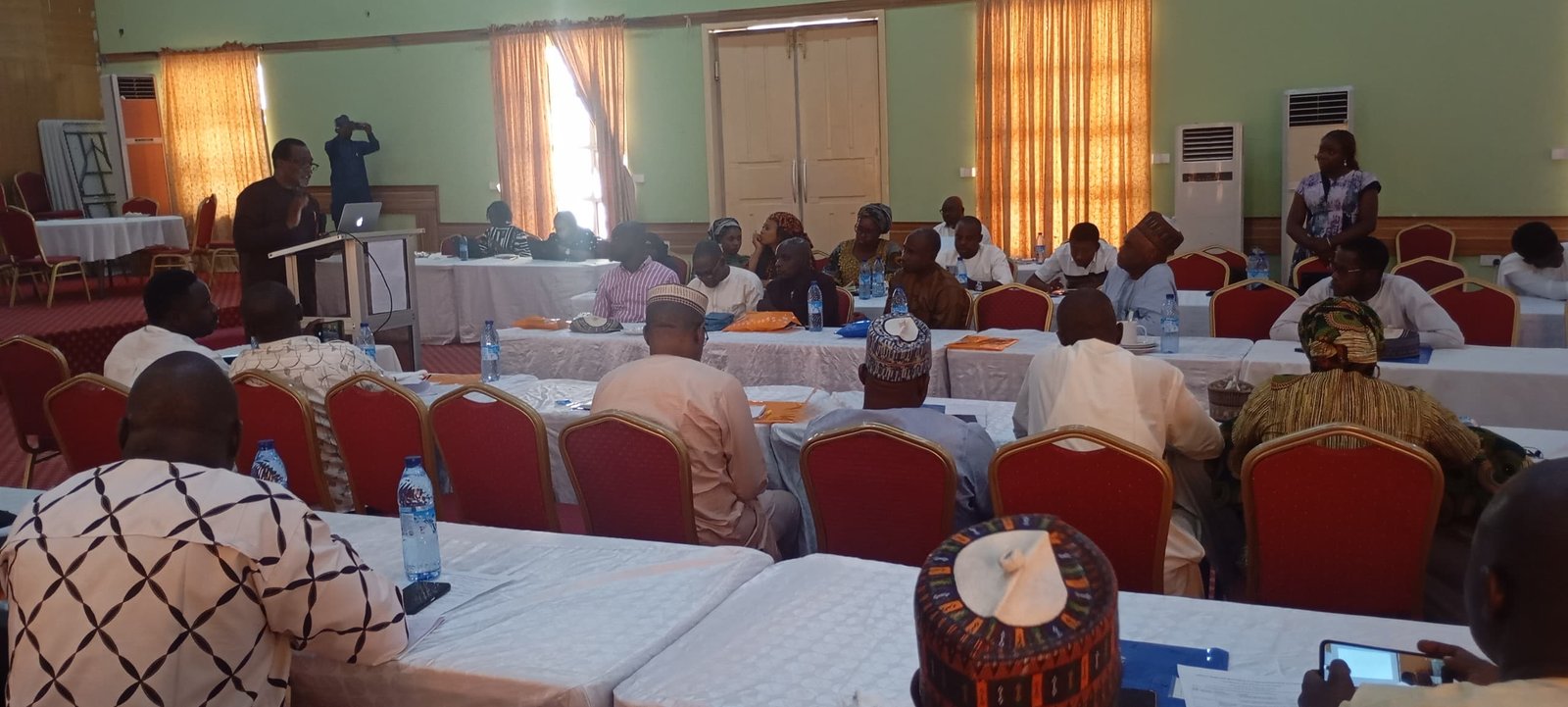
The two-day training, held from March 16 to 17, 2026, was organised by the Federal Ministry of Information and National Orientation in partnership with UNICEF. It focused on equipping journalists, editors, and correspondents from both print and electronic media with practical tools and best practices for reporting on children and child-related issues.
Speaking at the opening, the Assistant Director and Head of Child Rights Information Bureau at the ministry, Falayi Temitoye, said the workshop was designed to deepen journalists’ understanding of their ethical responsibilities when covering children’s stories.
He noted that the training aimed to strengthen knowledge of child rights as enshrined in national legislation and international conventions, urging participants to recommit themselves to responsible journalism.
“Journalists must help build a media landscape that not only informs but also protects and empowers children,” he said, adding that the Federal Government remains committed to fostering a culture that safeguards children’s identities while amplifying their voices.
Delivering a keynote address, UNICEF Nigeria Communication Specialist, Sussan Akila, underscored the critical role of the media in balancing public interest with child protection.
She called for the development of clear newsroom guidelines on child reporting protocols and highlighted the importance of Nigeria’s domestication of the Child Rights Convention. According to her, ethical reporting must prioritise children’s privacy, dignity, and identity while avoiding harmful stereotypes and sensationalism.
Akila reaffirmed UNICEF’s commitment to supporting initiatives that protect children and promote responsible storytelling across media platforms.
The workshop featured presentations from experts including Geoffrey Njoku, Jide Johnson, Lanre Idowu, and Nansel Nimyel.
They delivered papers on ethical principles in reporting children’s issues, balancing public interest with child protection, as well as legal implications under the Nigerian Broadcasting Commission code and Press Council regulations.
Key highlights of the training included sessions on trauma-informed journalism, handling ethical dilemmas in reporting child abuse cases, the psychology of reporting sensitive stories, and guidelines on crime reporting involving minors particularly when to report and when restraint is necessary.
Participants described the workshop as timely, noting that it would enhance professionalism and improve the quality of child-focused reporting across the regions.