
By Ali Rabiu Ali, Dutse
In a modest conference hall in Dutse, far from the noise of breaking news and political headlines, a quieter but far more enduring conversation was taking place one about children, their dignity, and the responsibility of those who tell their stories.
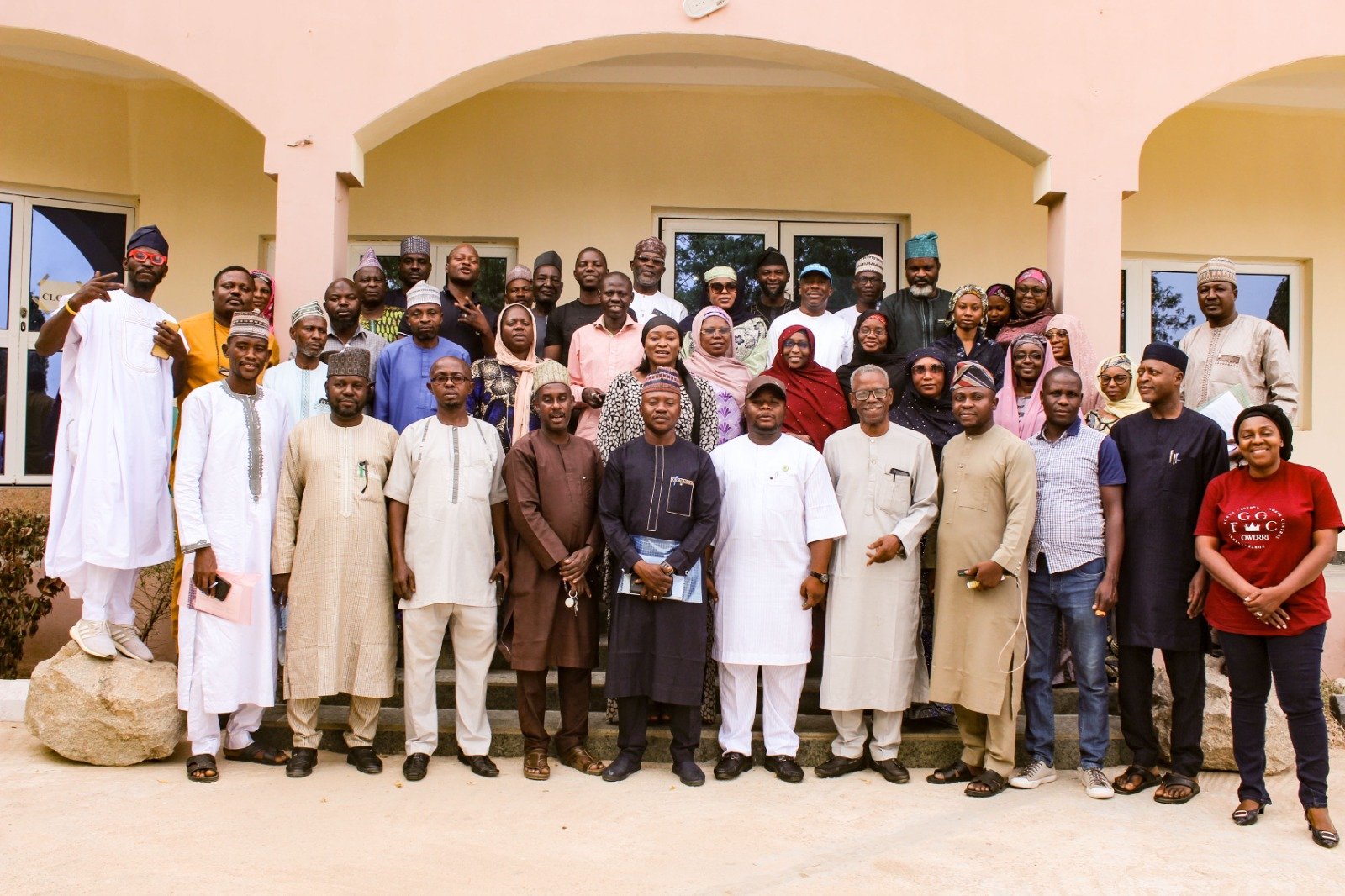
Journalists from Kano and Jigawa States had gathered, not to chase headlines, but to reflect on the weight of their words and images when reporting on the most vulnerable members of society children.
The training, supported by United Nations Children’s Fund, was more than a routine workshop. It became a moment of reckoning for many media practitioners who, in the rush to publish, may not always pause to consider the lifelong impact of a single story on a child.
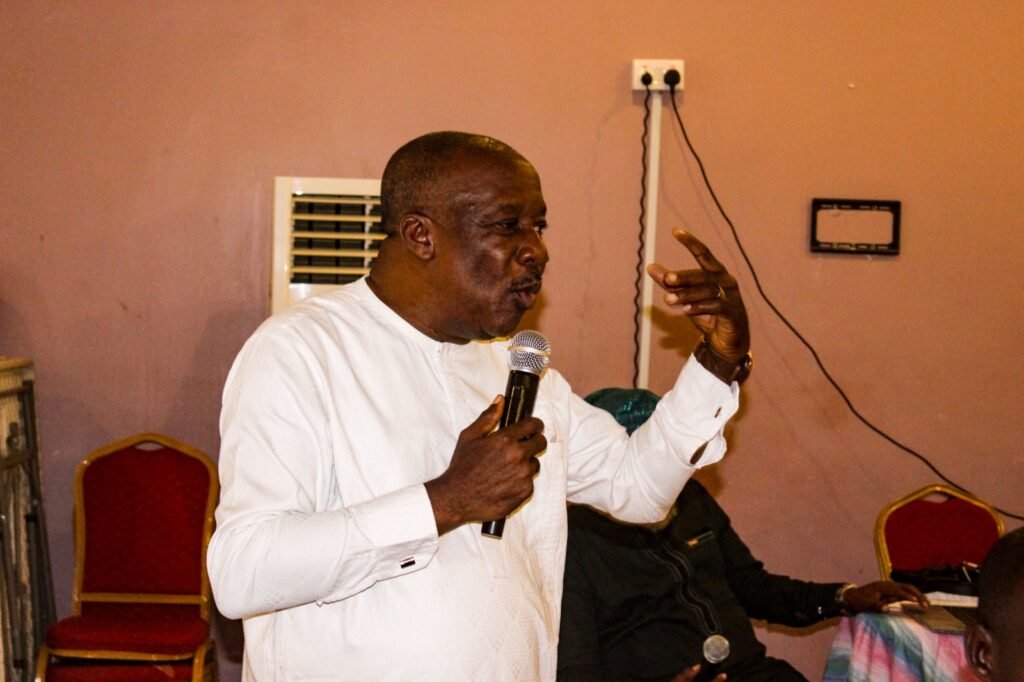
For Hauwa, a radio reporter from Kano, the session stirred a personal awakening.
“I used to think that telling a child’s story exactly as it is, including their names and faces, made it more powerful,” she admitted. “But now I understand that power must come with protection.”
Across northern Nigeria, where communities are often shaped by deep cultural values and, in some cases, conflict or economic hardship, children frequently find themselves at the center of sensitive stories ranging from poverty and displacement to abuse and neglect.
Yet, how those stories are told can either protect or harm them.
At the heart of the discussion was a simple but profound idea: children are not just subjects of stories they are human beings with rights, emotions, and futures that can be shaped by public exposure.
Media experts at the training emphasized that ethical journalism is not just about accuracy or balance; it is about empathy. It is about asking difficult questions before publishing: Will this story put the child at risk? Will it expose them to stigma? Will it haunt them years from now?
One facilitator explained that in fragile environments, a poorly reported story can do more than misinform it can deepen divisions, fuel stereotypes, and even endanger lives.
But beyond the warnings, the gathering also offered a hopeful vision.
Journalists were encouraged to rethink their role not just as reporters, but as protectors of public trust and advocates for those who cannot always speak for themselves.
“Children deserve to be heard,” one participant noted during the session, “but they also deserve to be safe.”
The conversation shifted from rules to responsibility. It was not just about avoiding harm, but about telling stories in ways that uplift, empower, and preserve dignity.
For many in attendance, the training marked a turning point. It challenged long-held practices and introduced a more child-sensitive approach to storytelling one that prioritizes consent, anonymity when necessary, and respect at all times.
In communities where the media often serves as a powerful bridge between the public and policymakers, ethical reporting on children can also influence change. Stories told responsibly can highlight issues without exploiting victims, and can inspire action without causing unintended damage.
As the session drew to a close, there was a shared sense that something important had begun.
Not a campaign, not a headline but a shift in mindset.
For journalists like Hauwa, the lesson was clear: “It’s not just about telling the story right. It’s about doing right by the child in the story.”
And in a region where every child’s future matters, that shift may prove to be one of the most important stories yet untold.