

By Aisha Yakubu, Maiduguri
Social media has become a part of daily life for young people worldwide. Platforms like Instagram, TikTok, and X (formerly Twitter) have changed how we communicate and express ourselves. But behind the pictures and posts lies a silent struggle many don’t talk about — the growing pressure social media places on mental health.
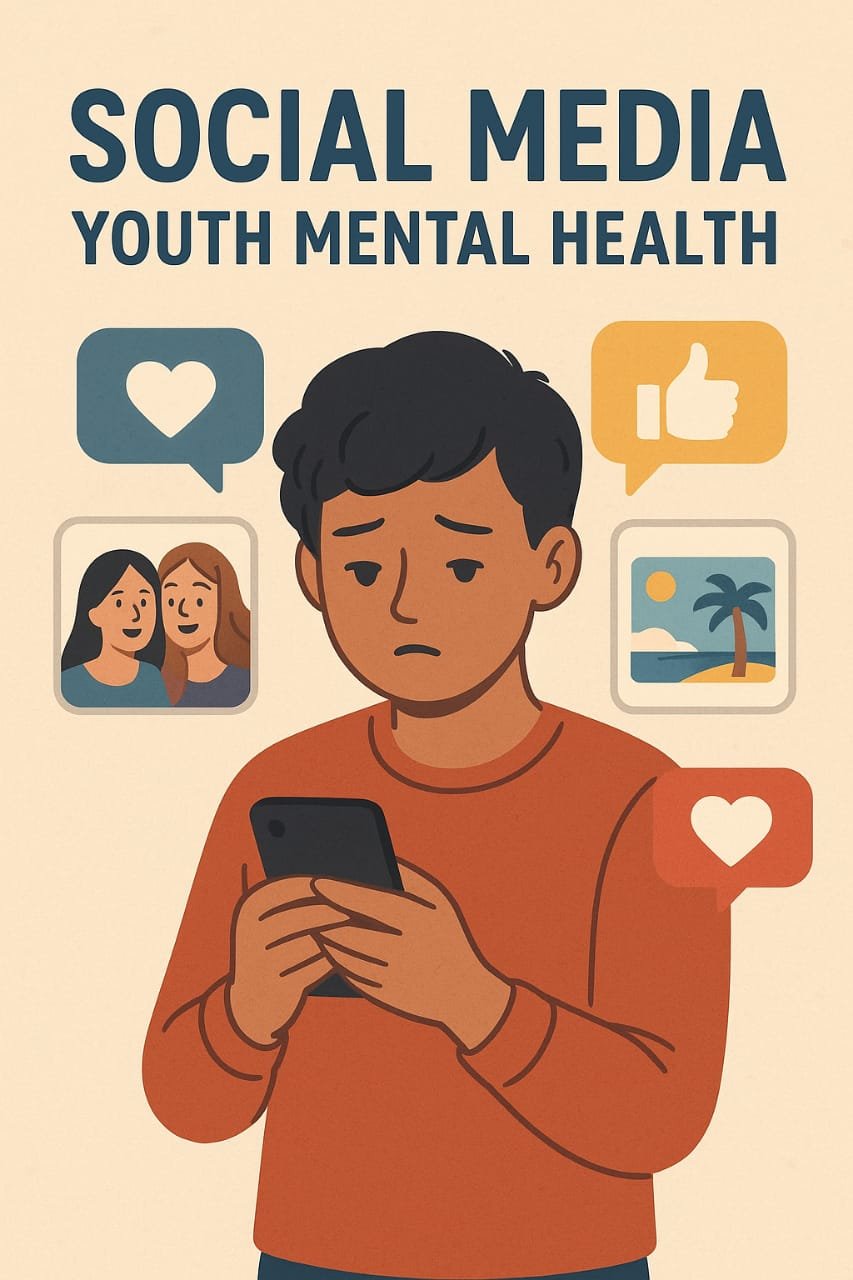
For many youths, social media is not just a tool for connection but a source of validation. The number of likes, comments, and followers often becomes a measure of self-worth. Constant comparison to others’ seemingly perfect lives leads to feelings of insecurity, anxiety, and depression.
Studies have shown that prolonged exposure to online content can cause emotional fatigue and lower self-esteem. When people see others achieving, traveling, or looking perfect, they begin to feel that their own lives are not good enough. What’s worse, many find it hard to disconnect because social media has become an essential part of communication, education, and even business.
However, it’s not all negative. Social media also offers platforms for creativity, learning, and connection. The key is to use it consciously — following pages that inspire rather than discourage, taking breaks when overwhelmed, and remembering that online life is not always real life.
Social media should be a tool for growth, not a source of pain. Young people must learn to balance digital life with real-world experiences. True confidence comes from self-awareness, not online approval. By setting healthy boundaries, we can all enjoy the good side of social media without losing ourselves to its pressures.
Aisha Yakubu, writes from Department of Mass Communication, Kashim Ibrahim University, Maiduguri, Borno state, can be reach via 0814 997 5443 or aishayakub366@gmail.com