
By Ali Rabiu Ali, Dutse
For many residents of Jigawa State, politics is more than the posters, rallies and campaign promises that accompany an election season. It is about whether they can continue to move freely, go to their farms, businesses and schools, and return home safely when political activities intensify.
It is against this background that the Jigawa State Police Command has begun what it describes as a proactive effort to prevent election-related violence before it starts.
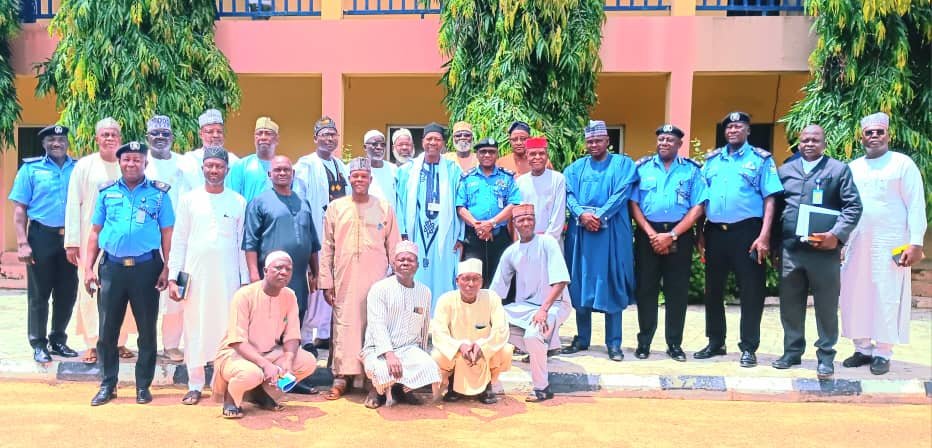
On Thursday, September 3, 2026, political party leaders, the Independent National Electoral Commission (INEC), the media and other critical stakeholders gathered at the command headquarters for a strategic meeting that ended with the signing of a peace accord.
The message from the police was clear: the forthcoming electoral process must be a contest of ideas and programmes, not a battle that threatens the lives and livelihoods of citizens.
The meeting, convened by the Commissioner of Police, CP Tijjani Murtala, brought together representatives of several registered political parties, including the Accord Party, All Progressives Congress (APC), Allied Peoples Movement (APM), All Progressives Grand Alliance (APGA), Peoples Democratic Party (PDP), Peoples Redemption Party (PRP) and Young Progressives Party (YPP), among others.
INEC officials, led by the Commission’s Administrative Secretary, Mr Ibrahim Idris, JP, were also present.
The peace accord comes at a time when political activities are expected to gather momentum, with parties and their supporters preparing for campaigns and other electoral engagements.
For the police, waiting until violence occurs before responding would be too late.
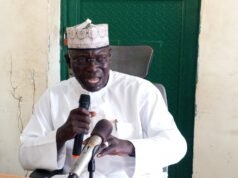
CP Tijjani Murtala therefore used the meeting to appeal to political leaders to take responsibility for the conduct of their supporters.
He urged party leaders to discourage their supporters from engaging in hate speech, inflammatory statements, thuggery, intimidation, destruction of campaign materials, vote buying, ballot-box snatching and other forms of electoral malpractice.
He also warned against the negative use of social media, particularly the spread of messages capable of inflaming political tensions.
Carrying weapons during political activities, he said, would also not be tolerated.
The emphasis on social media is particularly significant in modern electioneering, where a misleading or inflammatory message can reach thousands of people within minutes.
A statement made at a political rally may affect one community, but a provocative social-media post can travel far beyond the original audience and potentially deepen divisions.
Police promise a level playing field
For political parties and their supporters, one of the major concerns during elections is often the question of whether security agencies will treat all sides fairly.
CP Murtala assured the political actors that the police would remain professional and impartial, promising to deploy intelligence-led policing, community engagement and enforcement of relevant laws.
He said the command would work to provide a secure environment where political parties, candidates, supporters, electoral officials, observers and members of the public could participate in the electoral process without fear, intimidation or harassment.
The assurance is important because confidence in security institutions can determine whether citizens feel safe enough to participate in elections.
Where voters believe that their safety is protected and that political opponents can campaign without intimidation, the electoral process is more likely to remain peaceful.
The meeting was not designed as a one-way lecture from the police.
Representatives of the political parties were given an opportunity to raise concerns, make observations and suggest ways of ensuring peaceful campaigns.
Their discussions touched on political tolerance, security, cooperation among stakeholders and responsible conduct during electioneering.
The engagement provided an opportunity for political actors to speak directly with the police and INEC before political activities become more intense.
For the police, such interaction is part of preventive security.
Instead of responding only to incidents after they occur, security agencies can identify potential areas of tension and establish channels for communication with political actors.
The INEC representative, Mr Ibrahim Idris, also reminded stakeholders of their responsibilities in ensuring that the electoral process follows established laws, rules and guidelines.
The commission’s participation reinforced the idea that peaceful elections cannot be achieved by the police alone.
Political parties, candidates, electoral officials, traditional and community leaders, the media and ordinary voters all have roles to play.
The media, for example, can either contribute to responsible political discourse or become a channel through which inflammatory information spreads.
Political leaders can either calm their supporters when tensions rise or fuel the situation through reckless statements.
And voters themselves can reject violence by refusing to allow themselves to be used as instruments of political conflict.
The most symbolic moment of the meeting came with the signing of the Peace Accord.
By putting their signatures to the document, participating political parties and stakeholders reaffirmed their commitment to peaceful political engagement, democratic values and compliance with electoral laws.
They also rejected violence before, during and after the elections.
The accord is more than a ceremonial document.
Its real value will be measured by what happens after the signing when campaigns begin, political competition becomes intense, supporters disagree and candidates face the pressure of winning.
The challenge will be for political leaders to ensure that the promises made at the police headquarters translate into responsible conduct on the streets, at rallies, on social media and on election day.
Protecting Jigawa’s reputation for peace
Jigawa has long been regarded as one of the relatively peaceful states in the country. Maintaining that reputation, however, requires constant effort.
Elections can generate strong emotions, particularly when political parties and candidates compete for public support.
The police command believes that protecting peace requires action before problems escalate.
That is why CP Murtala’s appeal went beyond politicians to the entire population.
The command called on residents to remain peaceful, law-abiding and vigilant, while assuring them that adequate security arrangements would be put in place to protect lives and property.
An election should not mean that farmers are afraid to travel to their farms, traders fear opening their shops, parents worry about their children attending school, or communities become divided along political lines.
Instead, an election should give citizens the opportunity to choose leaders freely and peacefully.
The signing of the accord may have brought the meeting to a peaceful conclusion, but it has also opened a more difficult chapter. The real test will begin when political campaigns gather momentum.