
By Ali Rabiu Ali, Dutse
The Nigerian Red Cross Society (NRCS), with support from UNICEF, has intensified efforts to strengthen flood preparedness and resilience in flood-prone communities of Jigawa State, particularly in Hadejia, Miga and Auyo local government areas.
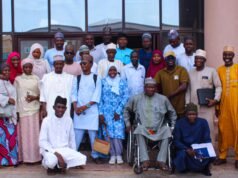
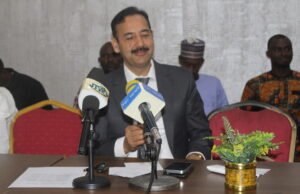
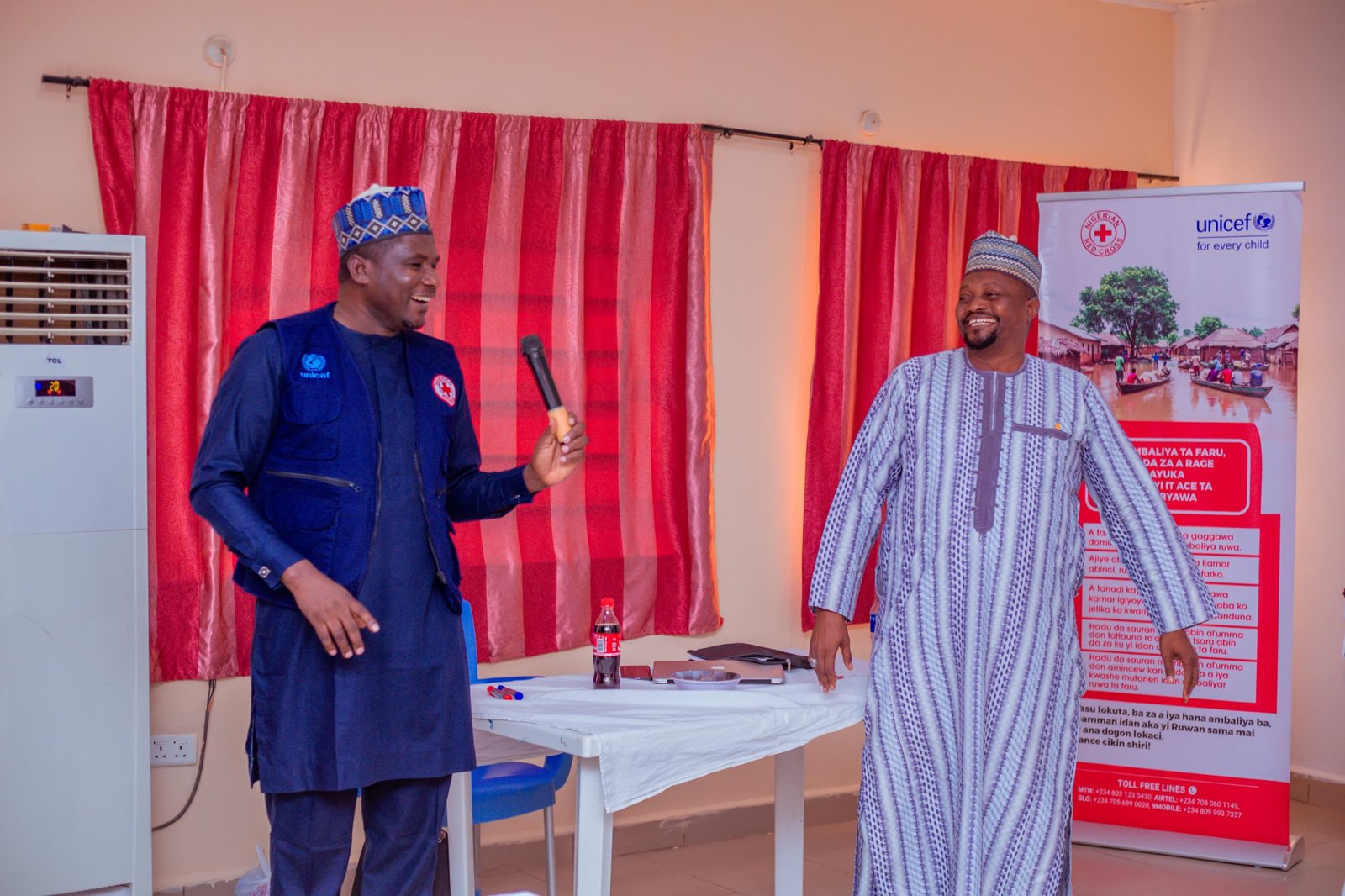
Speaking during a media and civil society engagement in Dutse, an official of the NRCS disaster management department, Mr Timothy Ali-Yohana, said the intervention was aimed at assessing the impact of recent flooding and supporting communities to better prepare for future occurrences.
According to him, the project, funded by UNICEF, is designed to help vulnerable communities build resilience against recurrent floods through early warning, sensitisation and coordinated response.
“We are here to promote and also close out activities on flooding and its impact. The project is supporting Jigawa communities, especially Hadejia, Miga and Auyo, to be resilient in view of flood predictions that affect these areas almost every year,” he said.
Ali-Yohana explained that the programme involves radio sensitisation, house-to-house awareness campaigns, flood simulation exercises and capacity building for government institutions responsible for disaster response.
He added that civil society organisations and the media were also being engaged to strengthen advocacy for sustainable financing of disaster risk reduction.
He commended the Jigawa State Government for its proactive response to flood predictions by the Nigerian Meteorological Agency (NiMet) and the Nigeria Hydrological Services Agency (NIHSA), noting that early interventions helped reduce the scale of destruction in recent years.
“When flooding was predicted, the state government acted quickly by taking preventive measures such as securing dams and improving preparedness. These actions helped to minimise the impact,” he said.
However, Ali-Yohana stressed that long-term solutions must begin at the community level. He said involving local people in planning and communication, including the use of local languages, was critical to saving lives and ensuring compliance with safety measures such as evacuation.
Also speaking, Director of the Village Community Development Initiative, Mr Mustapha Umar, said Jigawa was identified by NiMet as one of the states most at risk of flooding due to factors including overflow from Tiga and Challawa dams.
He said despite the predictions, the level of flooding experienced was not as devastating as expected, attributing this to proactive measures taken by the state government under Governor Umar Namadi.
“The construction of embankments, provision of drainage and political support given to relevant ministries and agencies helped to reduce the impact of flooding in riverine areas,” Umar said.
He called on the state government to sustain and strengthen flood control measures, adding that collaboration among government, civil society organisations, the media and development partners would help provide lasting solutions.
Umar also urged residents of flood-prone areas to comply with government directives, particularly on relocation during emergencies.
“If people are advised to vacate dangerous areas for their safety, they should comply. Refusal to relocate puts lives at risk,” he said.
The programme also led to the formation of the Jigawa Disaster Advocacy Group, bringing together media professionals, civil society organisations and emergency agencies to advocate improved funding and policies for disaster risk reduction in the state.