
By Ali Rabiu Ali, Dutse
The United Nations Children’s Fund (UNICEF) and the Jigawa State Government have commenced the second phase of the Climate Resilient Infrastructure for Basic Services (CRIBS II) project, aimed at improving healthcare, education, water, sanitation and hygiene (WASH) services across the state.
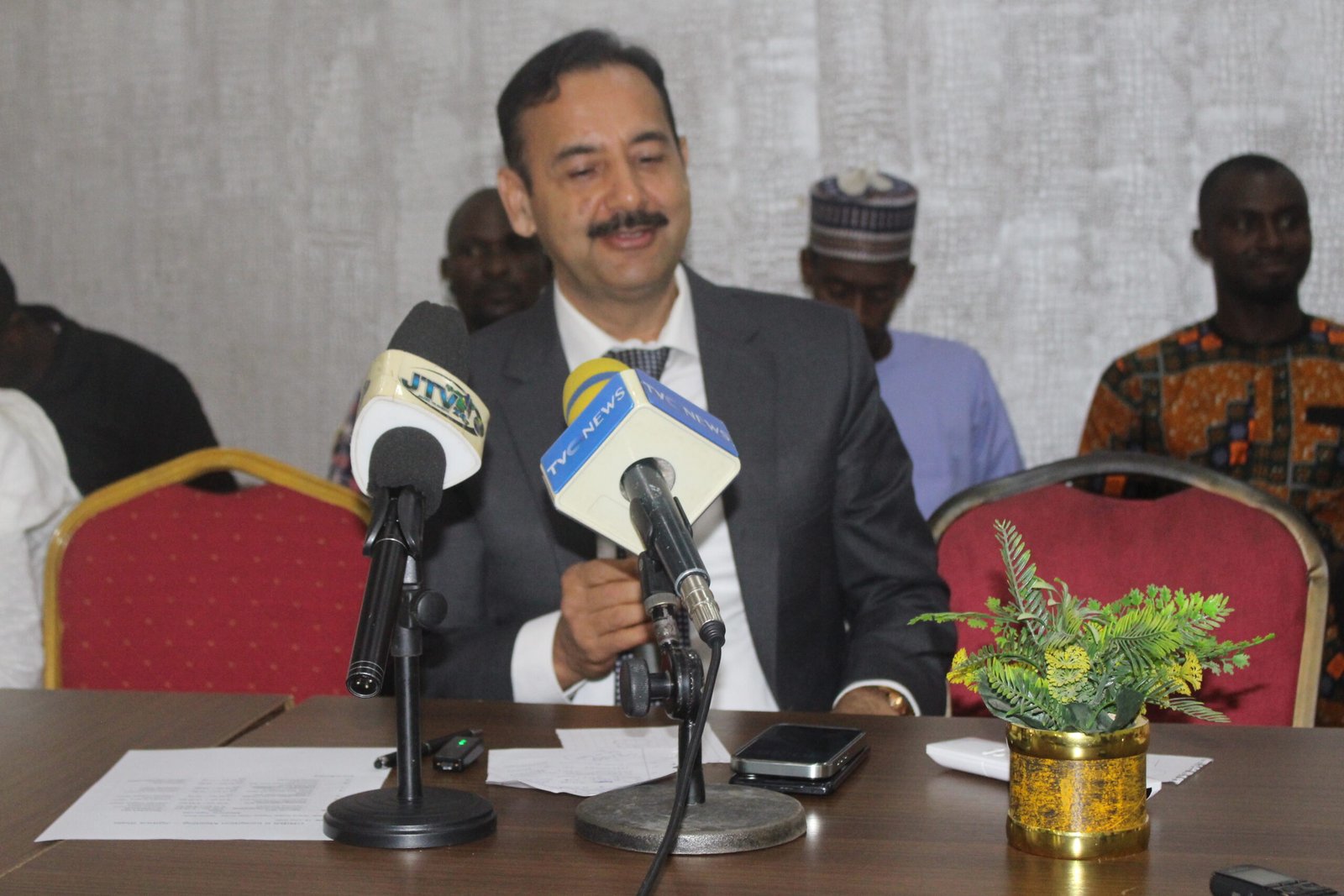
The initiative was unveiled during a stakeholders’ inception meeting held in Dutse, where government officials, local government chairmen, contractors, development partners and community representatives gathered to discuss the implementation strategy for the project.
Speaking at the meeting, the Chief of UNICEF Field Office Kano, Mr. Shafeeq Ur Rehman, described the first phase of the project as a major success, noting that its achievements informed the decision to expand the intervention through CRIBS II.
“The very commendable work we have done under CRIBS I actually led to CRIBS II. It means we are not only learning from the project, but also appreciating the work that has been done and building upon it,” he said.
According to him, Jigawa State distinguished itself during the implementation of the first phase, prompting UNICEF and its partners to scale up the intervention.
He disclosed that under CRIBS II, UNICEF and the state government would rehabilitate and upgrade 24 facilities in Jigawa State, comprising 14 Primary Healthcare Centres and 10 schools, with water, sanitation and hygiene services integrated into all project locations.
“We have learned many lessons from CRIBS I, particularly the importance of government leadership, community participation and sustainability. These are key factors that will guide the implementation of CRIBS II,” he stated.
The UNICEF official stressed that sustainability remained a critical component of the project, adding that government institutions and local communities would be encouraged to take ownership of the facilities to ensure their long-term functionality.
He also highlighted the importance of operations and maintenance, saying health workers, technical personnel and facility managers would be equipped with the necessary skills to sustain the infrastructure long after project completion.
Rehman further explained that extensive research, documentation and communication carried out during the first phase provided valuable evidence that shaped the design of CRIBS II.
“Research and learning from CRIBS I have played a significant role in bringing about this second phase. We want to continue learning, researching and improving so that the benefits extend beyond the project cycle,” he said.
The UNICEF chief commended the Jigawa State Government for its commitment and leadership, while reaffirming UNICEF’s readiness to provide technical assistance throughout the implementation period.
He also acknowledged the support of the Foreign, Commonwealth and Development Office (FCDO), which is funding the project.
“This is a very successful project because of the support and funding from FCDO, implementation by UNICEF and the strong partnership with government counterparts. It became a model project and that is why we are now in the second phase,” he noted.
Rehman revealed that while CRIBS I was implemented only in Jigawa and Kano States, the success recorded has encouraged expansion to additional states under CRIBS II.
“Now we are going beyond the two states where the project started. We have expanded to other states, including Katsina, because of the success recorded during the first phase,” he added.
The UNICEF official described the inception meeting as an important platform for transparency and collaboration among stakeholders.
He said government officials, local government authorities, contractors and community representatives were brought together to review lessons learned from CRIBS I and collectively chart a roadmap for successful implementation of the second phase.
“We are very happy with the commitment being demonstrated by the government and other partners. The lessons from CRIBS are already being applied beyond the project facilities to strengthen service delivery across the state,” he said.
Also speaking at the meeting were Dr. Saudat Abdullahi Basheer, Health Specialist, UNICEF Field Office Kano, and Dr. Uba Lawal, WASH Specialist, UNICEF Field Office Kano, who provided technical insights on healthcare, water and sanitation components of the intervention.
A presentation made during the meeting outlined the objectives of CRIBS II, which include presenting the concept and scope of the project, familiarising government partners, UNICEF consultants, site engineers and contractors with implementation plans, clarifying the roles and responsibilities of stakeholders, introducing contractors and supervisors to stakeholders and sharing target locations alongside the scope of rehabilitation work at each site.
Stakeholders at the meeting expressed optimism that the project would strengthen resilience in critical public facilities and improve access to quality healthcare, education and sanitation services for thousands of residents across Jigawa State.
The CRIBS II project is expected to build on the gains of the first phase by promoting climate-resilient infrastructure and sustainable service delivery in communities across the state.