
By Nana A. Sadi, Dutse
The Jigawa State Tsangaya Education Board has identified the integration of Western education into Tsangaya schools as a key strategy for improving the future of Almajiri children across the state.
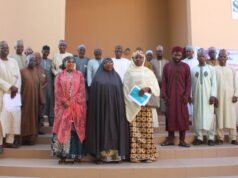
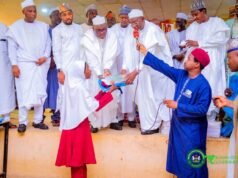
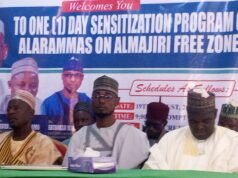
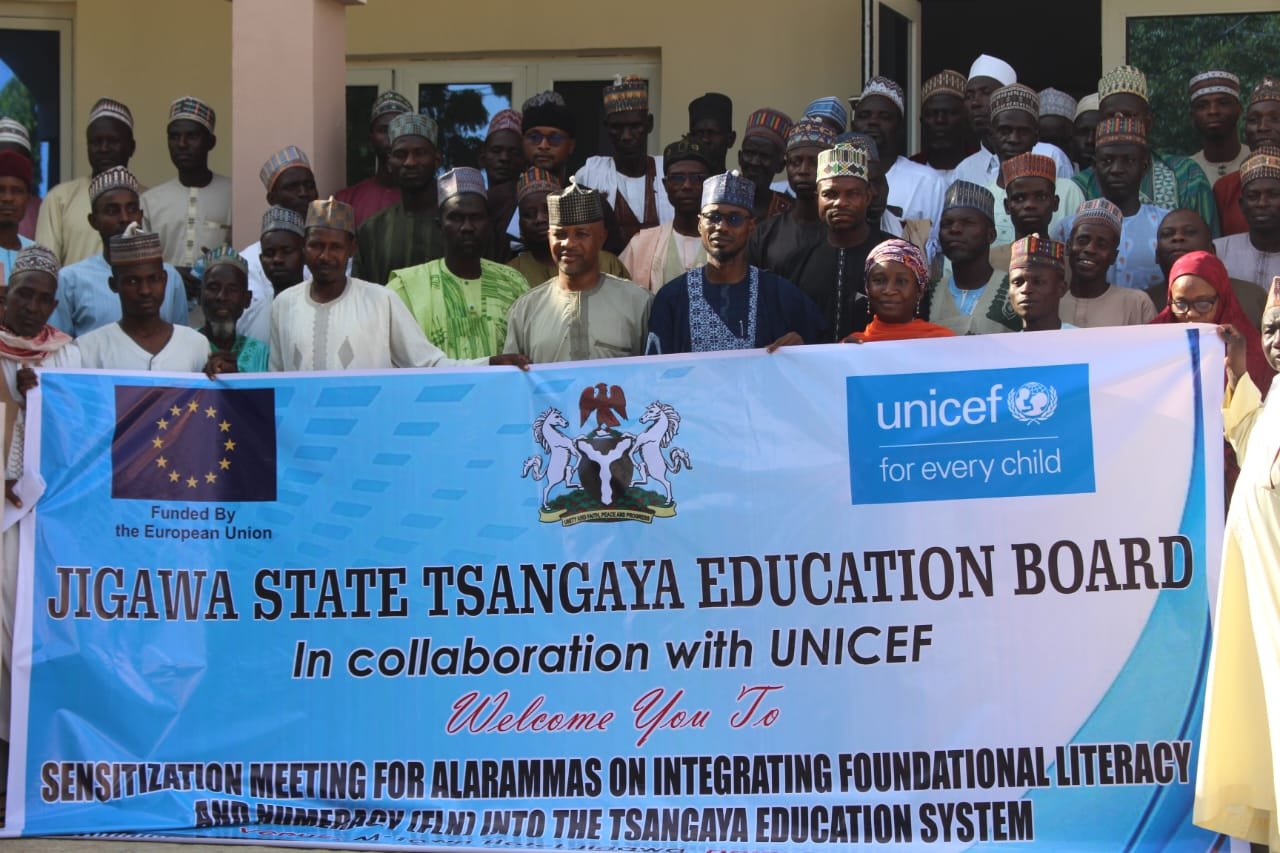
The Executive Secretary of the board, Dr. Abubakar Maje Haruna, stated this during a sensitisation meeting for Alarammas on the integration of Foundational Literacy and Numeracy (FLN) into the Tsangaya education system, held in Dutse on Thursday.
Dr. Maje explained that the initiative is aimed at ensuring Almajiri children acquire both Islamic and formal education to enable them compete favourably in modern society while preserving their religious values.
He noted that the concept of “Almajiri” has often been misunderstood, stressing that it should not be associated with begging or wandering in search of livelihood.
According to him, the original meaning of Almajiri refers to a person who travels in pursuit of Islamic knowledge and not someone who survives through street begging.
He therefore urged Alarammas to embrace the integration programme and allow children under their care to receive foundational literacy and numeracy education alongside Qur’anic studies.
“The integration of formal education into the Tsangaya system will equip the children with the knowledge and skills needed to become productive members of society without compromising their Islamic education,” he said.
Dr. Haruna further said the programme enjoys the support of development partners, including UNICEF, and is designed to strengthen the quality of education in Tsangaya centres across Jigawa State.
He explained that the sensitisation meeting was organised to enlighten Alarammas on the objectives and implementation process of integrating Foundational Literacy and Numeracy (FLN) into Tsangaya centres.
According to him, the meeting also seeks to enhance participants’ understanding of their roles in ensuring the successful implementation of the programme, promote safe, inclusive and supportive learning environments for Almajiri children, and strengthen collaboration among the Jigawa State Tsangaya Education Board, UNICEF and other stakeholders.
He added that the stakeholders are also expected to reach a common understanding on the next phase of the programme, including the nomination and training of facilitators, implementation, monitoring and continuous support for the initiative.
Participants at the meeting expressed optimism that the integration programme would improve learning outcomes for Almajiri children and contribute to the overall development of education in Jigawa State.