
By Ali Rabiu Ali, Dutse
A major education intervention aimed at improving literacy and numeracy among children in Almajiri and Islamiyya schools has commenced in Jigawa State, with the support of the United Nations Children’s Fund (UNICEF), the European Union (EU), and the Jigawa State Sangaya and Islamiyya Primary Schools Management Board.
The programme, known as the HUSKY Programme, is being implemented across three educational zones of the state and seeks to integrate basic literacy and numeracy skills into the Sangaya education system while reducing the number of out-of-school children.
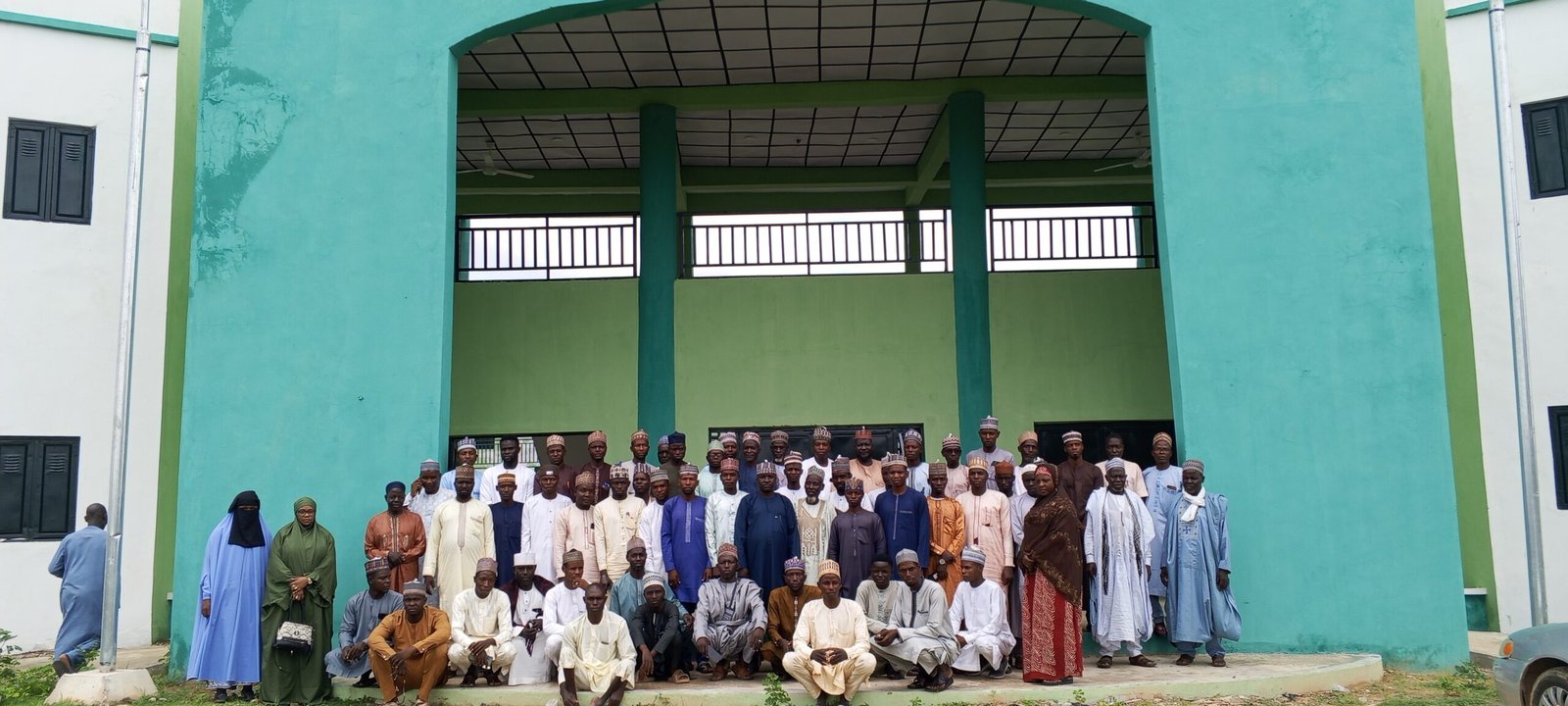
Speaking during the training in Dutse, the lead facilitator, Dr. Kabiru Abulkadir Sumaila of Sa’adatu Rimi College of Education, Kano, said the initiative targets Almajiri and Islamiyya schools in ten selected local government areas across Jigawa State.
According to him, the programme is designed to ensure that children enrolled in Sangaya schools acquire essential reading, writing and arithmetic skills without abandoning their Islamic education.
“Our major objective is to enhance literacy and numeracy among Almajiri and Islamiyya school pupils. By doing so, we hope to reduce the number of children who cannot read or write and also contribute to reducing the growing population of out-of-school children,” he said.
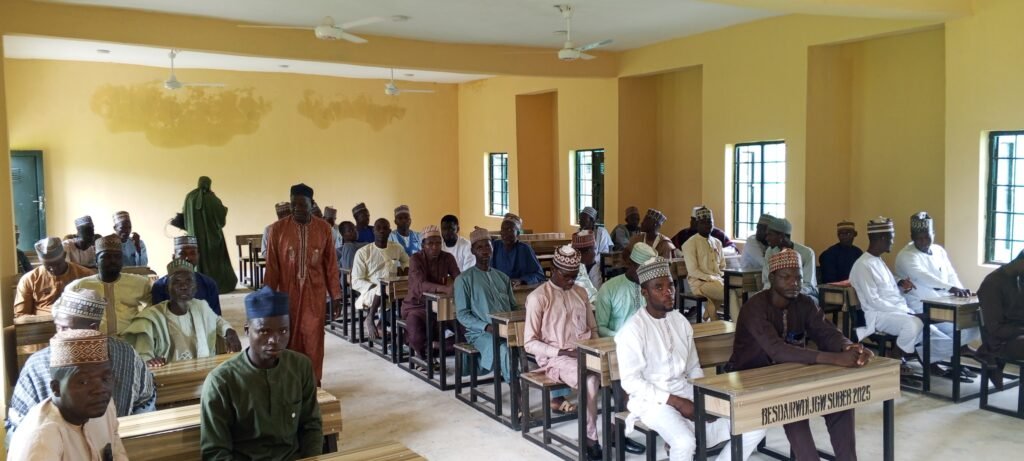
Dr. Kabiru explained that the implementation is divided into three training centres covering the state’s educational zones-Dutse Central, Jigawa North-West and Jigawa North-East.
He disclosed that the six-day training programme is equipping selected facilitators who will, in turn, train teachers and instructors in their respective Sangaya schools through a step-down training approach.
“In each training centre, we have about 42 participants at the orientation stage, while a total of 138 facilitators selected from various Sangaya schools will undergo intensive training. After the programme, they will return to their schools to teach literacy and numeracy to the pupils,” he explained.
The facilitator noted that those selected as trainers were nominated by their respective school proprietors (Alaramma) and possess educational qualifications such as diplomas, National Certificates in Education (NCE) or university degrees.
He observed that many Islamic school proprietors in Jigawa State have embraced Western education, describing their participation in the programme as evidence of changing attitudes toward formal education.
“I am highly impressed with the commitment shown by the Alaramma in Jigawa State. Their participation demonstrates that they now recognise the importance of combining Islamic and Western education for the benefit of their pupils,” he stated.
Dr. Kabiru assured stakeholders that the HUSKY Programme would continue beyond the current phase, with plans to expand to more Sangaya schools across the state.
“This is not a one-off programme. It is an ongoing process. After completing this phase, more Sangaya schools will be selected so that eventually every Sangaya school in Jigawa State will benefit, Insha Allah,” he said.
Education stakeholders believe the initiative will strengthen learning outcomes among children in non-formal education centres while complementing government efforts to achieve inclusive and equitable education across Jigawa State.