
By Ali Rabiu Ali, Dutse
The National Agency for the Prohibition of Trafficking in Persons (NAPTIP), Jigawa State Command, has raised concern over the growing threat of human trafficking, describing the state as one of the major transit routes for victims heading to Europe and the Middle East through Niger Republic and the Chad-Sudan-Saudi Arabia corridor.
The State Commander of NAPTIP, Mr. Abdulkadir Mahmoud Turajo, made this known in a statement issued on Thursday to commemorate the 2026 World Day Against Trafficking in Persons.
The annual event, observed every July 30, was established by the United Nations General Assembly in 2013 to create awareness on the plight of victims of human trafficking and to promote their rights and welfare.
This year’s global theme, “Trapped Behind the Scam,” focuses on exposing fake job advertisements, online scams, fraudulent recruitment schemes and other cyber-enabled tactics used by traffickers to lure vulnerable people into exploitation.
Turajo described trafficking in persons as a modern form of slavery involving the recruitment, transportation, transfer, sale or harbouring of individuals through deception, coercion or debt bondage for forced labour, sexual exploitation and other forms of abuse.
According to him, human trafficking remains one of the world’s most dangerous organised crimes, threatening national security, public safety and socio-economic development.
He said the crime fuels corruption, irregular migration, abuse of human rights, spread of diseases, labour exploitation, terrorism, kidnapping, money laundering and other transnational criminal activities.
The Commander disclosed that since the establishment of the Jigawa State Command in July 2023, the agency has recorded 78 trafficking-related cases, rescued and reunited 258 victims with their families, secured two convictions including that of a foreign national and carried out 150 sensitisation campaigns across schools, markets, places of worship and communities in all the 27 local government areas of the state.
He further revealed that between January 2025 and July 2026, a total of 512 migrants who are indigenes of Jigawa State were voluntarily returned from different countries with the support of the International Organization for Migration (IOM).
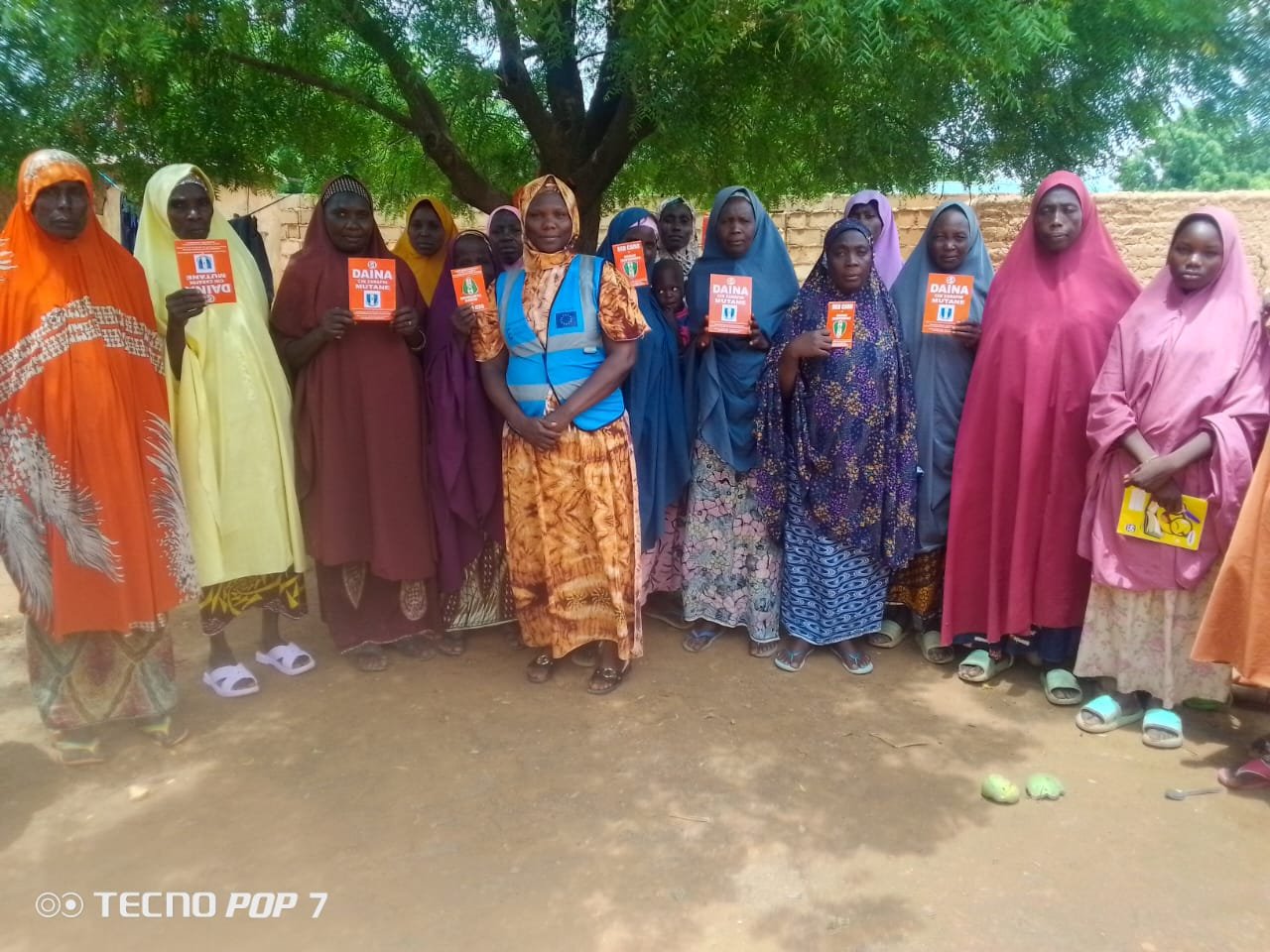
As part of activities marking the 2026 World Day Against Trafficking in Persons, the command conducted six awareness campaigns in Kazaure and Roni Local Government Areas, identified as among the most trafficking-prone areas in the state.
Turajo said NAPTIP has continued to strengthen community awareness programmes, including the establishment of Anti-Trafficking and Violence Against Persons Vanguards in selected schools to educate young people on the dangers of human trafficking.
He commended the Jigawa State Government, law enforcement agencies, civil society organisations, the judiciary and development partners for their sustained collaboration in combating trafficking in persons.
The Commander also issued a strong warning to traffickers operating within or outside the state, stressing that Jigawa would not be allowed to serve as a source, transit route or destination for human trafficking.
He assured that the command possesses the capacity and determination to investigate, arrest and prosecute anyone involved in trafficking-related offences.
Turajo appealed to residents to support the agency by reporting suspected cases of human trafficking, child abuse and related crimes to the NAPTIP State Command Headquarters at Block 5, Old State Secretariat, Dutse, through its emergency hotline, official email, the 627 short code or the NAPTIP iReporter mobile application.
He urged members of the public not to shield traffickers or conceal information that could assist security agencies in dismantling trafficking networks.
The NAPTIP boss expressed appreciation to the Jigawa State Government, Governor Umar Namadi, security agencies and development partners for their continued support, urging all stakeholders to unite in the fight against what he described as a common enemy threatening the lives and future of many Nigerians.