
By Ali Rabiu Ali, Kano
Every morning, ten-year-old Aisha leaves her home in Gwale, Kano, clutching her exercise books and a small nylon sachet of water. By the time the sun rises fully, the sachet is already empty. At her public primary school, there is no tap to refill it, no toilet to wash her hands, and no clean place to relieve herself.
“I wait until I get home,” she says quietly. Sometimes, that wait lasts six hours.
Aisha is one of hundreds of thousands of children attending public schools across Kano State where water, sanitation and hygiene (WASH) facilities simply do not exist.
According to official data, out of 8,782 public primary and junior secondary schools in Kano State, only 2,503 have functional WASH facilities, leaving 6,279 schools without basic water, toilets or handwashing points.
For many children, school meant to be a safe space for learning has become a daily health risk.
The scale of the crisis took centre stage on Wednesday in Kano during a media and stakeholders’ dialogue on WASH services in schools and primary healthcare facilities, organised by the Child Rights Information Bureau (CRIB) of the Federal Ministry of Information and National Orientation in collaboration with UNICEF.
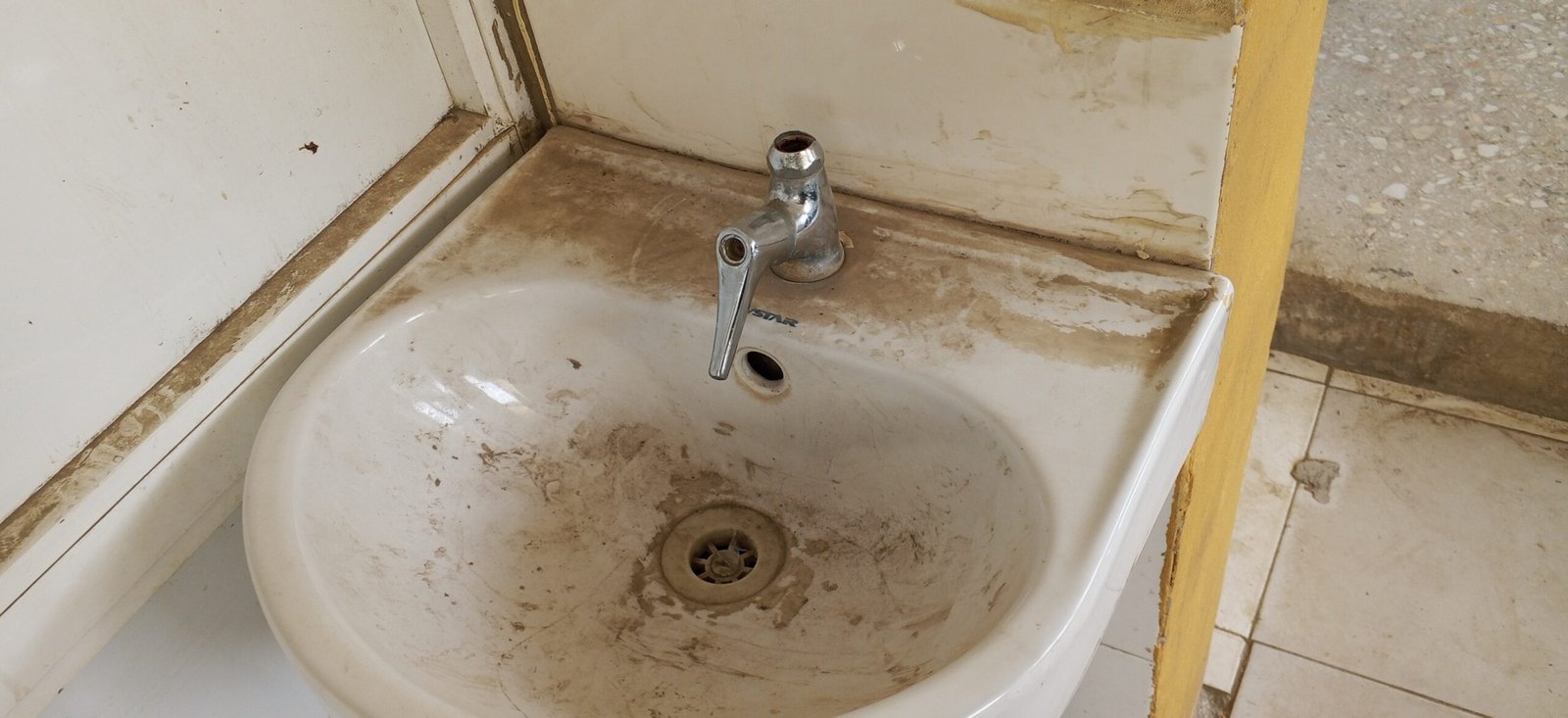
The meeting followed a one-day field visit to selected schools across the state. What journalists and stakeholders saw was unsettling: broken toilets, dry taps, overgrown bushes serving as makeshift toilets, and classrooms where children ate and played without ever washing their hands.
Health experts warn that the absence of WASH facilities fuels the spread of preventable diseases such as diarrhoea and cholera, illnesses that keep children out of school and, in severe cases, claim young lives.
“Children are falling sick not because diseases are unavoidable, but because water and hygiene are missing,” one participant observed during the dialogue.
While the impact cuts across all pupils, girls suffer the most. Without private, safe toilets, many adolescent girls stay home during their menstrual periods. Some eventually fall behind in class; others drop out entirely.
“Dignity is lost before learning even begins,” a civil society advocate said. “How can a girl concentrate in class when she is worried about where to go if nature calls?”
The result is reduced learning outcomes, increased absenteeism, and long-term damage to children’s confidence and wellbeing.
Reacting to the concerns, the Chairman of the Kano State Universal Basic Education Board (SUBEB), represented by the Board Secretary, Hajiya Amina Umar, acknowledged the enormous gap in WASH services across schools in the state.
She said the Kano State Government has continued to make budgetary provisions for WASH facilities as part of efforts to achieve 100 per cent coverage in line with the Sustainable Development Goals (SDGs) 2030 agenda.
However, she admitted that delays in budget releases have sometimes slowed implementation.
“We are aware of the gaps, and we are concerned,” Hajiya Amina said. “But the government has continued to make provisions for WASH in its annual budget. Our challenge has often been timely release of funds.”
She assured that SUBEB would strengthen collaboration with communities, UNICEF, development partners and non-governmental organisations to improve both the provision and maintenance of WASH facilities at school level.
According to her, the present administration remains committed to sustained funding for WASH infrastructure in schools.
A National Emergency, UNICEF Warns
Beyond Kano, the situation reflects a wider national emergency.
The United Nations Children’s Fund (UNICEF) revealed that Nigeria’s schools and primary healthcare facilities are grappling with dangerously low levels of WASH services.
Speaking at the event, Chief of UNICEF Field Office Kano, Mr. Rahama Rihood Mohammed, cited findings from the 2021 WASHNORM II survey, Nigeria’s most comprehensive national assessment of water, sanitation and hygiene services.
The data paints a grim picture: only 11 per cent of schools nationwide have access to basic water supply, sanitation and hygiene services, while just six per cent of healthcare facilities meet the same minimum standards.
The situation, UNICEF warned, is even worse in rural communities across the North-West.
“Schools and healthcare facilities serve large numbers of people every day,” Mr. Mohammed said. “Without adequate WASH services, they can quickly become centres for disease transmission.”
Children Paying the Price
Back in Aisha’s school, learning continues amid discomfort and risk. Children improvise. Teachers manage as best they can. Parents worry.
Stakeholders at the Kano dialogue agreed that without immediate and sustained action, thousands of children will continue to trade their health and dignity for education.
As UNICEF puts it, Nigeria’s children deserve safe, healthy environments in which to learn and grow. Until water flows freely in classrooms and toilets are no longer a luxury, the promise of education for many Kano children will remain painfully incomplete.
For Aisha and millions like her, the question is simple: how long must children wait for water before learning can truly begin?